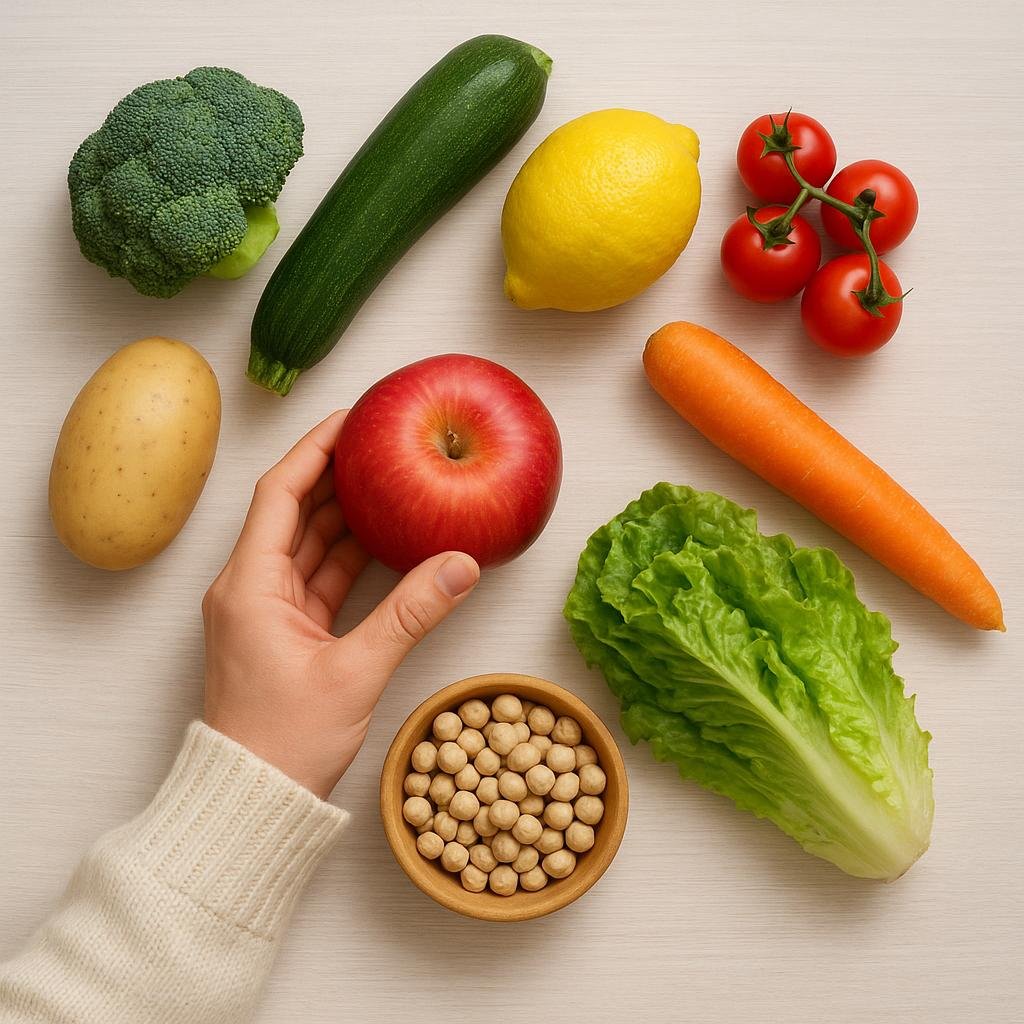
If you are curious about organic food but feel unsure where to begin, you are not alone. Between labels, price differences, fresh produce choices, and pantry staples, shopping organic can feel a little overwhelming at first. The good news is that you do not need to change everything at once. With a few practical basics, you can make thoughtful choices that support your healthy lifestyle, personal preferences, and budget.
This beginner-friendly guide from Organic Beats walks you through what organic food means, how to read common labels, where to prioritize your spending, and how to shop in a simple, balanced way.
Organic Food Basics: What Does Organic Mean?
Organic food generally refers to food produced according to specific farming and processing standards. These standards often focus on soil health, reduced use of certain synthetic chemicals, animal welfare practices, and more natural approaches to growing or raising food. The exact rules can vary by country, so it is helpful to look for recognized certification labels where you live.
For shoppers, organic food is not about perfection. It is about understanding your options and choosing what fits your values, lifestyle, and needs. Some people buy organic to reduce exposure to certain pesticides. Others choose it because they care about farming practices, taste, sustainability, or simply want to explore more natural living habits.
How to Read Organic Labels Before You Buy
Food labels can be confusing, especially when words like natural, organic, fresh, local, and chemical-free appear on packaging. Here are a few practical points to keep in mind:
Look for Certified Organic Labels
A certified organic label usually means the product has met defined organic standards set by a recognized authority. This is different from general marketing words, which may sound healthy but may not have the same level of regulation.
Understand That Natural Is Not the Same as Organic
The word natural may suggest simplicity, but it does not always mean the product is organic. A product can be labeled natural without being certified organic. If buying organic is important to you, look for the actual organic certification rather than relying only on front-of-pack claims.
Check the Ingredient List
For packaged foods, do not stop at the front label. Read the ingredient list to understand what is inside. Even organic packaged foods can contain added sugar, salt, oils, or other ingredients you may want to limit depending on your nutrition goals.
Notice the Percentage of Organic Ingredients
Some packaged items may contain a mix of organic and non-organic ingredients. Depending on local labeling rules, terms may indicate whether all, most, or only some ingredients are organic. Reading carefully can help you make a more informed choice.
How to Prioritize Organic Purchases on a Budget
You do not need to buy everything organic to build a healthy lifestyle. If you are shopping with a budget in mind, it can help to prioritize the foods you eat most often.
Start With Everyday Staples
Think about the foods that appear in your kitchen every week. This might include fruits, vegetables, grains, lentils, milk, eggs, or cooking oils. If organic options are available and affordable, start with one or two staples instead of changing your entire grocery list.
Choose Organic for Foods You Eat Frequently
If you eat a particular fruit, vegetable, or grain almost daily, that may be a sensible place to consider organic. This approach keeps your choices practical and connected to your real eating habits.
Balance Fresh, Frozen, and Pantry Options
Fresh organic produce is great, but frozen organic fruits and vegetables can be convenient and may reduce waste. Organic pantry items such as oats, rice, pulses, spices, or flour can also be useful if they fit your cooking style.
Do Not Let Perfect Become the Enemy of Good
If organic options are too expensive or unavailable, that does not mean your meal is unhealthy. Eating more whole foods, cooking at home, staying hydrated, and adding variety to your diet are all valuable wellness tips. Organic food can be part of a healthy routine, but it does not have to be all or nothing.
Organic Food and Nutrition: What to Keep in Mind
Organic food can be a meaningful choice, but it is still important to look at your overall nutrition. A balanced eating pattern usually matters more than a single label.
- Focus on variety: Include different fruits, vegetables, whole grains, proteins, nuts, seeds, and healthy fats where possible.
- Watch packaged foods: Organic biscuits, chips, or sweets are still treats and should be enjoyed mindfully.
- Choose whole foods often: Fresh produce, pulses, grains, and simple home-cooked meals can support everyday wellness.
- Stay hydrated: Good hydration is a simple part of self-care and supports your daily routine.
- Listen to your needs: Food choices are personal. Consider taste, budget, availability, culture, and how foods make you feel.
Simple Tips for Shopping Organic Wisely
A practical shopping plan can make organic choices easier and less stressful. Before your next grocery trip, try these steps:
- Make a list: Plan meals or staples for the week so you avoid impulse purchases.
- Compare prices: Check different stores, local markets, and bulk options when available.
- Buy seasonal produce: Seasonal fruits and vegetables may be fresher and more affordable.
- Reduce food waste: Buy only what you can use, especially when purchasing fresh produce.
- Store food properly: Good storage helps your organic purchases last longer.
- Cook simply: Basic recipes with grains, vegetables, herbs, and proteins can be nourishing without being complicated.
Organic, Local, or Seasonal: Which Is Best?
Many shoppers wonder whether they should choose organic, local, or seasonal food. The answer depends on what matters most to you and what is available.
Organic focuses on specific production standards. Local means the food is grown or produced closer to where you live. Seasonal means the food is naturally harvested during that time of year. Sometimes a food can be all three, but not always.
If you are choosing between them, ask yourself a few simple questions:
- Is this food something I eat often?
- Is the organic option affordable for me?
- Is there a fresh local option available?
- Will I use it before it spoils?
- Does this choice fit my overall healthy lifestyle goals?
There is no single perfect answer. Thoughtful, realistic choices are often more sustainable than strict rules.
Common Mistakes to Avoid When Buying Organic Food
Buying More Than You Need
Organic produce can still spoil. Start with small quantities, especially when trying something new.
Assuming Organic Always Means Healthy
Organic snacks and desserts can still be high in sugar, salt, or saturated fat. Read the full label and enjoy packaged treats in moderation.
Ignoring Your Budget
Healthy eating should feel supportive, not stressful. Choose organic where it makes sense, and use non-organic options when needed.
Skipping Basic Food Safety
Organic produce should still be washed and stored safely. Good kitchen habits matter for all types of food.
How to Begin Your Organic Food Journey
If you are just starting out, keep it simple. Choose one area of your kitchen to upgrade first. For example, you might begin with organic leafy greens, organic lentils, organic milk, or organic spices. Try that for a few weeks, notice what works, and build from there.
You can also use organic food as a way to reconnect with cooking. Simple meals like vegetable dal, grain bowls, salads, soups, stir-fries, and fruit-based snacks can make natural living feel approachable and enjoyable.
Conclusion: Choose Organic Food in a Way That Works for You
Organic food can be a helpful part of a balanced, healthy lifestyle, but it does not need to be complicated or expensive. Start with the foods you use most, learn to read labels, compare options, and remember that small changes can still be meaningful.
At Organic Beats, we believe wellness should feel practical, encouraging, and easy to bring into daily life. Whether you are buying your first organic grocery item or slowly building a more natural kitchen, every thoughtful choice counts.
Ready to make healthier shopping choices? Explore more simple wellness tips, organic food guides, and natural living ideas from Organic Beats to support your everyday routine.


Recent Comments