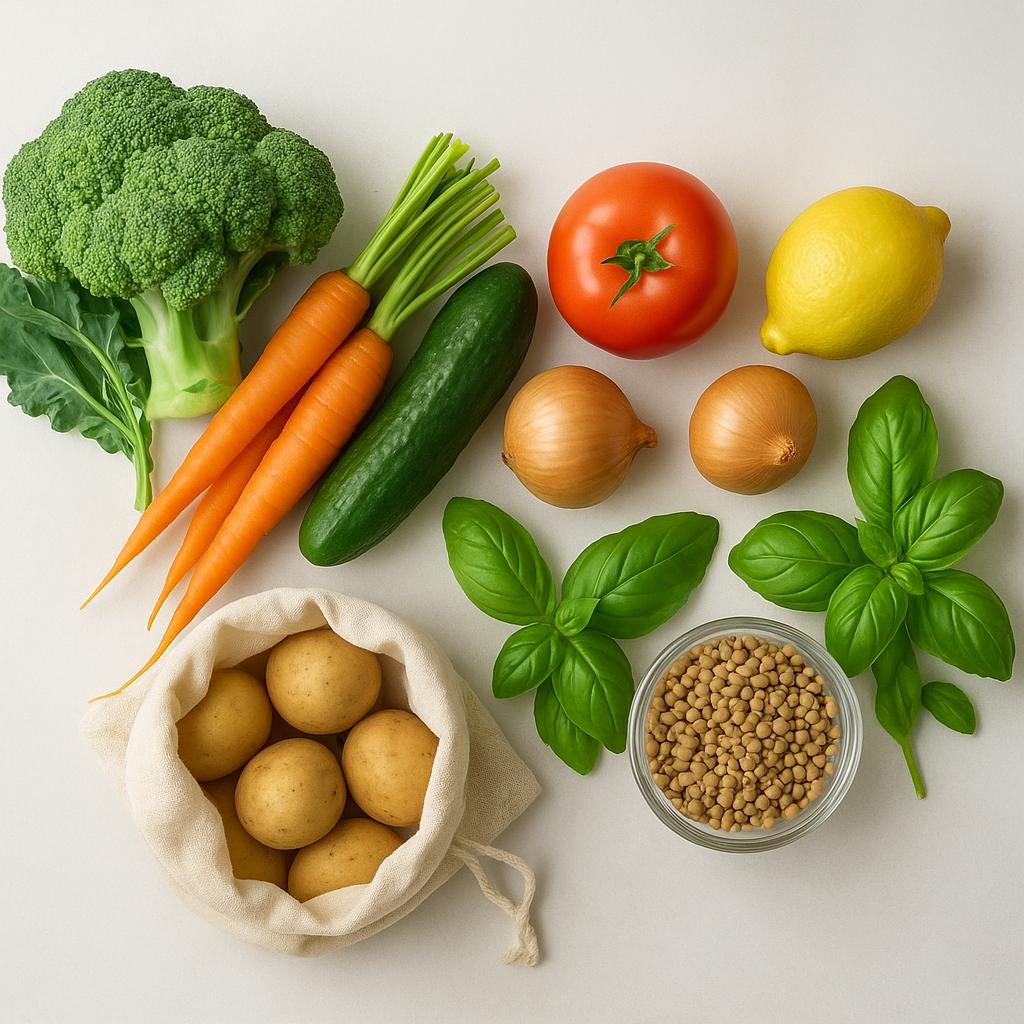
Storing organic food well is one of the simplest ways to make healthy eating easier during the week. Fresh produce, herbs and pantry staples can lose quality quickly when they are exposed to too much moisture, heat, light or air. With a few practical storage habits, you can help your ingredients stay fresher for longer, reduce kitchen waste and feel more prepared for balanced meals.
Organic fruits and vegetables may sometimes need a little extra care because they are often enjoyed with minimal processing and fewer synthetic post-harvest treatments. The good news is that smart storage does not have to be complicated. It starts with understanding what belongs in the fridge, what prefers the countertop and how to handle produce after shopping.
Organic Food Storage Basics for a Fresher Kitchen
Before sorting individual fruits and vegetables, it helps to follow a few basic storage principles. These small steps can make a noticeable difference in freshness and meal planning.
- Check produce before storing: Remove any damaged, spoiled or overly soft items so they do not affect the rest.
- Avoid washing too early: Extra moisture can encourage faster spoilage. Wash most fruits and vegetables just before eating or cooking.
- Use breathable storage: Many fresh items need some airflow. Cloth bags, paper towels and loosely closed containers can help manage moisture.
- Separate ethylene-producing foods: Fruits such as apples, bananas and avocados can speed up ripening in nearby produce.
- Keep your fridge organized: When you can see what you have, you are more likely to use it before it loses freshness.
How to Store Organic Fruits
Different fruits have different storage needs. Some continue ripening after purchase, while others are best kept cool right away.
Apples
Apples usually last longer in the refrigerator than on the counter. Store them in the crisper drawer or in a breathable bag. Keep them away from delicate greens and vegetables because apples release ethylene gas, which can speed up ripening and wilting.
Bananas
Keep bananas on the counter until they reach your preferred ripeness. Once ripe, you can move them to the refrigerator to slow further ripening. The peel may darken, but the fruit inside can still be useful for smoothies, oatmeal or baking.
Berries
Berries are delicate and sensitive to moisture. Sort through them after buying and remove any damaged berries. Store them unwashed in the refrigerator in a breathable container lined with a paper towel. Wash gently just before eating.
Citrus Fruits
Oranges, lemons and limes can sit at room temperature for a short period, but they generally last longer in the refrigerator. Keep them loose or in a breathable bag rather than sealed in plastic.
Avocados
Keep firm avocados on the counter to ripen. Once they feel slightly soft, place them in the refrigerator to slow the process. If you have cut an avocado, store it in an airtight container and use it as soon as possible for best quality.
How to Store Organic Vegetables
Vegetables can be especially sensitive to moisture and temperature. The right storage method can help preserve texture, flavour and nutrition as part of a healthy lifestyle.
Leafy Greens
Spinach, lettuce, coriander leaves, fenugreek leaves and other greens do best when stored dry and cool. Remove any wilted leaves, wrap the greens loosely in a paper towel or clean cloth and place them in a container or bag in the refrigerator. Avoid packing them too tightly.
Root Vegetables
Carrots, beets and radishes store well in the refrigerator. If the greens are still attached, remove them before storage because they can pull moisture from the roots. Store the roots in a bag or container with some airflow.
Potatoes and Sweet Potatoes
Store potatoes and sweet potatoes in a cool, dark and well-ventilated place. Avoid refrigerating raw potatoes, and keep them away from onions. Light can cause greening, so a covered basket or paper bag in a pantry area works well.
Onions and Garlic
Whole onions and garlic prefer a cool, dry, dark place with good airflow. Do not store them in sealed plastic bags. Once cut, onions should be placed in a covered container in the refrigerator and used within a reasonable time.
Tomatoes
Tomatoes are usually best stored at room temperature until ripe. Refrigeration can change their texture, but it may help slow spoilage once they are fully ripe. Keep them away from direct sunlight and use ripe tomatoes soon for best flavour.
Cucumbers, Capsicum and Zucchini
These vegetables generally do well in the refrigerator. Store them dry and avoid sealing them with excess moisture. A loose bag or container in the crisper drawer can help maintain freshness.
Fresh Herb Storage Tips
Fresh herbs can make simple meals more flavourful, but they often wilt quickly without proper care. A little preparation can help you enjoy them for longer.
Soft Herbs
Soft herbs such as coriander, mint, parsley and basil need gentle handling. Trim the stems and place them in a jar with a little water, like a small bouquet. Coriander, mint and parsley can be loosely covered and refrigerated. Basil often prefers room temperature, away from harsh sunlight.
Hard Herbs
Hard herbs such as rosemary and thyme can be wrapped in a slightly damp paper towel and stored in a loose bag or container in the refrigerator. Keep them from becoming too wet, as excess moisture may reduce freshness.
Pantry Storage for Organic Staples
Organic pantry staples such as grains, pulses, nuts, seeds and flours also need careful storage. Heat, light, air and moisture can affect quality over time.
- Use airtight containers: Transfer grains, lentils, beans, nuts and seeds into clean, dry containers with tight lids.
- Label dates: Write the purchase or opening date on containers so you can use older items first.
- Choose a cool, dry place: Keep pantry items away from direct sunlight, the stove and damp areas.
- Buy practical quantities: Purchase amounts you can realistically use, especially for nuts, seeds and whole grain flours.
- Check regularly: Look for changes in smell, appearance or texture before using stored ingredients.
Simple Meal Planning Habits to Reduce Waste
Good storage works best when paired with simple meal planning. You do not need a strict plan; even a flexible weekly routine can help you use fresh organic food more efficiently.
- Shop with a short list: Check your fridge and pantry before buying more.
- Plan around delicate produce first: Use berries, leafy greens and herbs early in the week.
- Prep only what makes sense: Wash and chop sturdy vegetables if it helps you cook faster, but keep delicate items dry until needed.
- Create a use-first box: Keep items that need attention in one visible area of the fridge.
- Turn leftovers into easy meals: Add extra vegetables to soups, stir-fries, wraps, salads or grain bowls.
Common Organic Food Storage Mistakes to Avoid
A few everyday habits can shorten the life of fresh produce. Avoiding these mistakes can support better nutrition and natural living at home.
- Storing wet produce: Moisture can make greens, berries and herbs spoil faster.
- Overcrowding the fridge: Poor airflow can affect cooling and make it harder to see what needs to be used.
- Keeping everything together: Ethylene-producing fruits can affect nearby vegetables and greens.
- Using sealed plastic for everything: Some produce needs airflow to stay fresh.
- Forgetting pantry rotation: Older staples can get pushed to the back and forgotten.
Quick Storage Guide by Food Type
Use this simple guide as a starting point when unpacking groceries:
- Refrigerate: Berries, leafy greens, carrots, cucumbers, capsicum, zucchini, ripe avocados and most fresh herbs.
- Keep on the counter: Bananas, unripe avocados, tomatoes and some whole fruits you plan to eat soon.
- Store in a cool, dark place: Potatoes, sweet potatoes, onions, garlic, grains, pulses and unopened pantry staples.
- Keep separate: Apples, bananas and avocados from delicate greens and vegetables.
Conclusion
Keeping organic food fresh for longer is about small, consistent habits: store produce dry, separate items that ripen quickly, use the refrigerator wisely and keep pantry staples protected from heat, light and moisture. These simple wellness tips can make healthy meals easier, reduce waste and help you get more value from the food you bring home.
If you are building a more natural and balanced kitchen, start with one change this week. Organize your fridge, create a use-first section or move your pantry staples into airtight containers. For more practical healthy lifestyle and organic food guides, visit organic beats and keep taking simple steps toward everyday wellness.

Recent Comments